Engineering guide
Worm Gear Ratio, Efficiency and Back-Driving
Behavior depends on starts, lead angle, friction, materials, finish, lubrication, temperature and load.
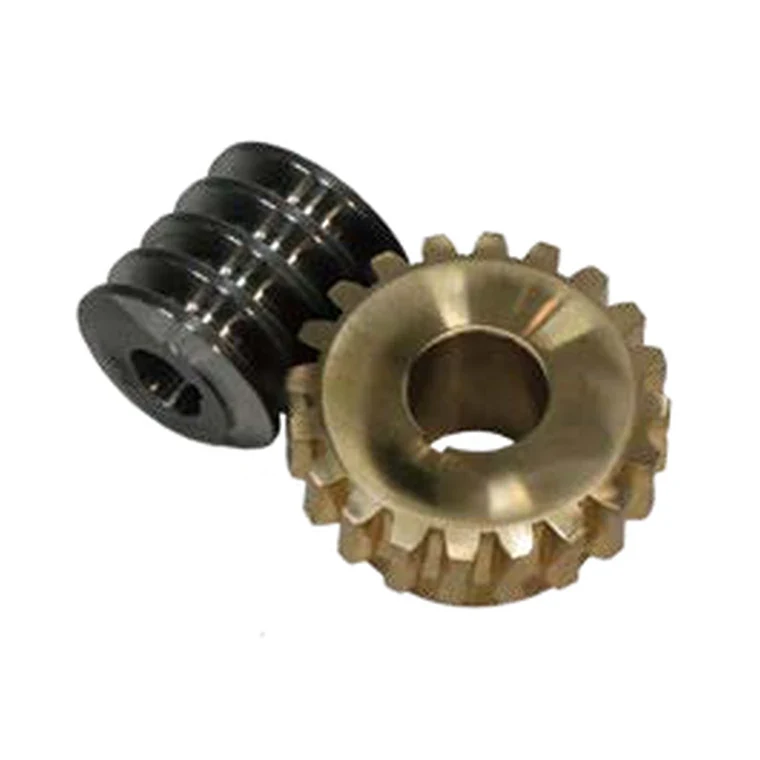
AuthorEver-power Custom Worm Gear Engineering Team
StatusHuman technical review required
PurposeRFQ preparation
Not a substituteApproved drawings and tests
Step 1
Ratio and motion
- Nominal ratio relates wheel teeth to worm starts
- Direction, hand, backlash and deflection still matter
Step 2
Efficiency factors
- Lead angle and sliding velocity
- Materials and surface finish
- Lubricant viscosity and delivery
- Load, speed, alignment and temperature
Step 3
Back-driving and safety
- Do not use a catalog self-locking statement as a safety brake
- Vibration, wear, lubricant and temperature can change behavior
- Use independent holding when risk assessment requires it
Step 4
Validation
- Calculate with stated assumptions
- Measure torque, speed and temperature
- Test reversal and overhauling loads
- Validate fail-safe functions
Request for quotation
Apply this checklist to your drawing
Share the drawing, quantity, material, heat treatment, accuracy requirement and application for RFQ review.