Engineering guide
Typical Worm Gear Failure Modes
Preserve evidence, collect operating history and distinguish root cause from secondary damage.
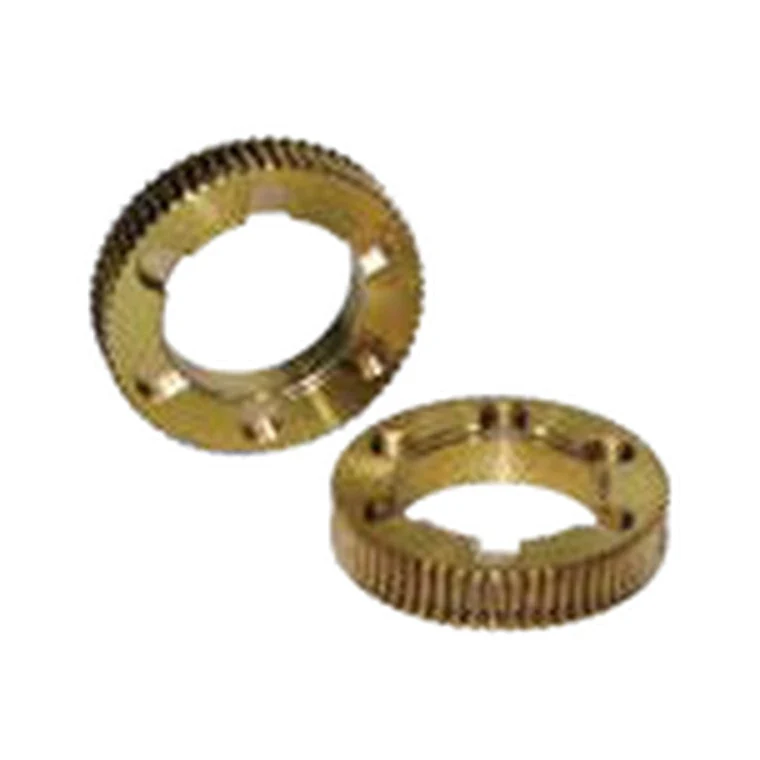
AuthorEver-power Custom Worm Gear Engineering Team
StatusHuman technical review required
PurposeRFQ preparation
Not a substituteApproved drawings and tests
Step 1
Common observations
- Wear/polishing: lubricant, contamination and alignment
- Scoring: temperature, sliding and oil film
- Pitting: stress, hardness, finish and cycles
- Breakage: peak load, root, defects and support
- Overheating: losses, oil, cooling and bearings
- Backlash growth: wear, bearing and housing
Step 2
Preserve evidence
- Document before cleaning
- Sample lubricant and contamination
- Photograph assembly and contact
- Measure backlash and alignment
- Keep mating parts together
- Collect load, temperature and maintenance history
Step 3
Corrective action
- Correct the verified cause
- Validate under representative duty
- Avoid changing only material or hardness without system review
Request for quotation
Apply this checklist to your drawing
Share the drawing, quantity, material, heat treatment, accuracy requirement and application for RFQ review.